
Have you ever wondered how water drains through tarmac?
It’s a fascinating process that involves the intricate science behind water drainage on this durable material. Understanding the factors that affect water drainage and how tarmac composition plays a crucial role can lead to better solutions for improving this essential aspect of road construction.
In this article, we will delve into the technical details and provide a precise analysis of the complexities involved in ensuring efficient water drainage on tarmac surfaces.
The Science Behind Water Drainage on Tarmac
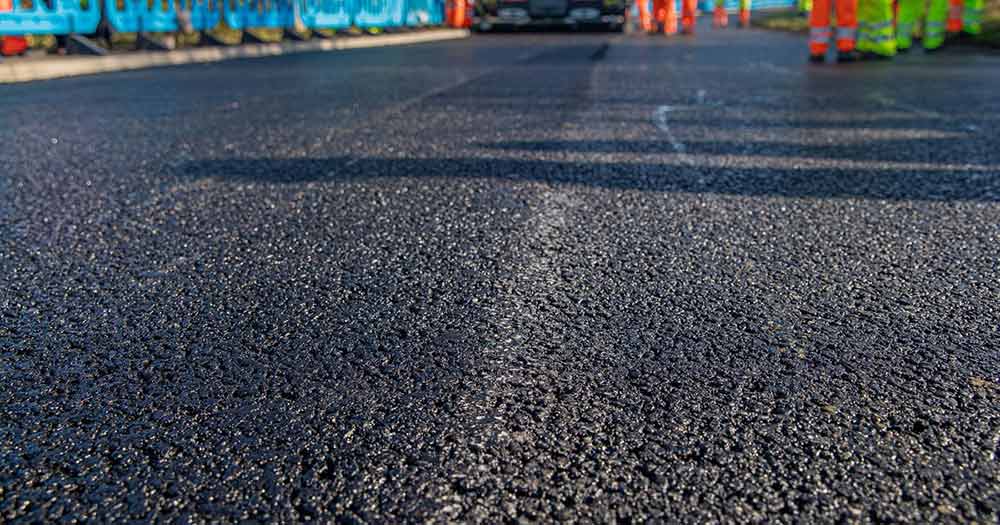
You’ll be interested to know that water drains through tarmac due to its porous nature. Tarmac, also known as asphalt, is made up of aggregates like stone and sand held together with a binder.
This composition creates small gaps or voids between the particles, allowing water to flow through.
However, in some cases, additional measures can be taken to enhance water drainage on tarmac surfaces. Hydrophobic surface treatments can be applied to make the surface repel water and reduce the formation of puddles.
These treatments create a thin layer on top of the tarmac that prevents water from seeping into the pores.
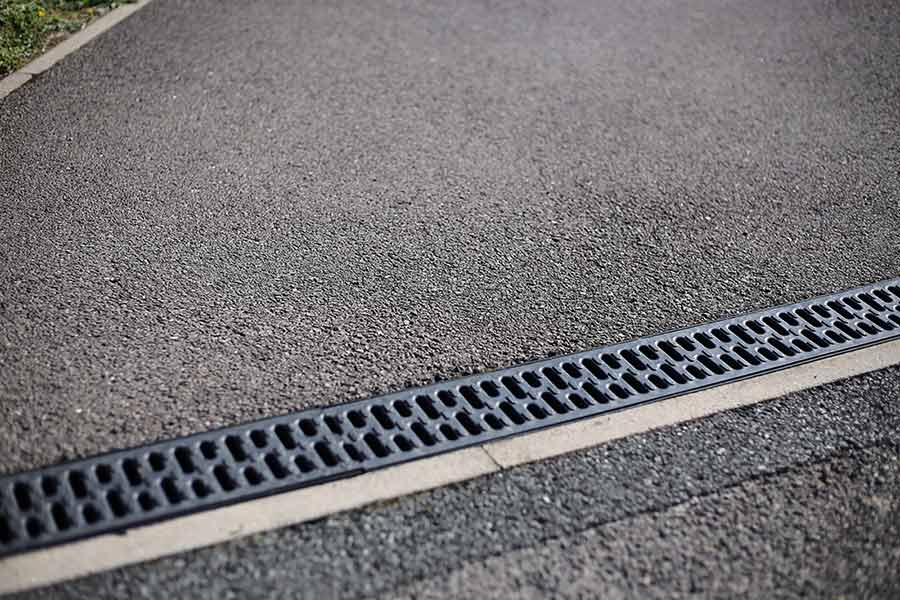
Alternatively, permeable tarmac alternatives can be used, which have larger gaps between the particles, enabling even better drainage capabilities.
Factors Affecting Water Drainage on Tarmac
To improve water drainage on tarmac, it’s important to consider factors such as surface slope and the presence of cracks or potholes. These factors greatly affect the effectiveness of water drainage and must be carefully analysed.
Here are four key considerations:
- Surface Slope: A proper slope ensures that water flows away from the surface quickly and efficiently. The steeper the slope, the faster the drainage.
- Cracks: Cracks in the tarmac provide pathways for water to seep into the underlying layers, causing damage and reducing drainage effectiveness. Regular maintenance to repair these cracks is crucial.
- Potholes: Potholes disrupt the smoothness of the surface, creating low spots where water can accumulate. Ensuring prompt repair of potholes is essential for effective water drainage.
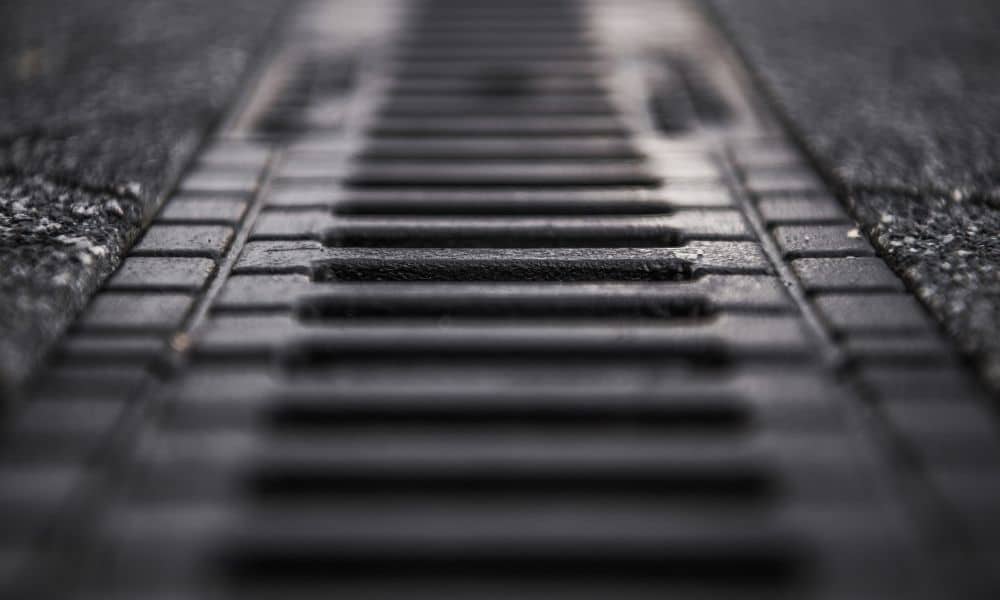
- Drainage Systems: Installing an efficient network of drains and gutters alongside tarmac surfaces can significantly enhance its ability to drain water effectively.
The Impact of Tarmac Composition on Water Drainage
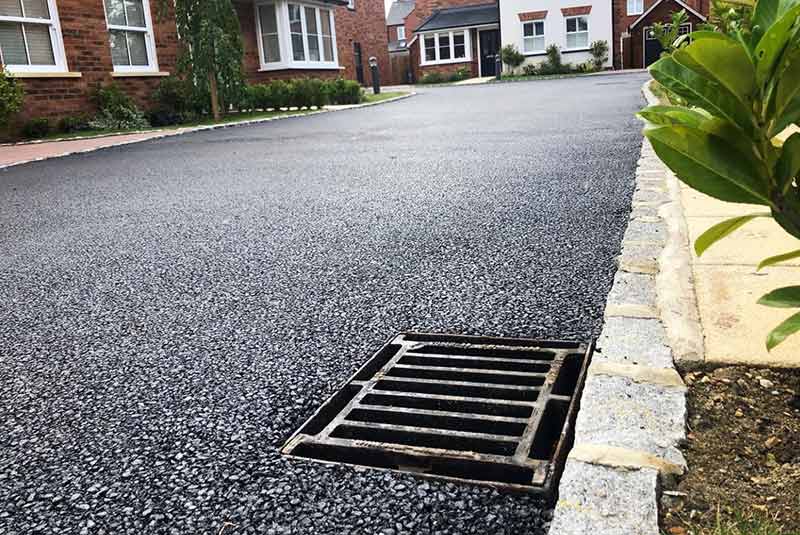
Considering the impact of tarmac composition on water drainage, it’s important to choose a material that promotes efficient flow. Tarmac permeability plays a crucial role in determining how well water can drain through the surface.
Studies have shown that using permeable tarmac materials can significantly reduce the risk of flooding and improve overall environmental sustainability. In fact, case studies have been conducted to evaluate tarmac’s effect on local water drainage systems. These studies have demonstrated that certain types of tarmac with high permeability allow for better infiltration of rainwater into the ground, reducing surface runoff and mitigating potential damage to nearby ecosystems.
Solutions for Improving Water Drainage on Tarmac
If you’re looking for ways to improve water drainage on tarmac, one solution is to install a permeable pavement system. This sustainable drainage option allows water to pass through the surface and into the underlying layers, reducing runoff and preventing flooding.
Here are four key benefits of using permeable pavement:
- Effective water management: Permeable pavements have high infiltration rates, meaning they can quickly absorb large amounts of water and prevent it from pooling on the surface.
- Reduced pollution: By filtering out pollutants as water passes through the pavement layers, permeable systems help protect local ecosystems and maintain water quality.
- Enhanced safety: The porous nature of permeable pavements reduces the risk of skidding or hydroplaning by allowing water to drain away, ensuring better traction for vehicles.
- Long-term cost savings: While initial installation costs may be higher than traditional tarmac, permeable pavement systems require less maintenance over time, resulting in significant long-term cost savings.
Consider incorporating a permeable pavement system for improved water drainage that is both environmentally friendly and cost-effective.
Last Thoughts
Now that you’ve delved into the science behind water drainage on tarmac and explored the factors affecting it, it’s clear that water does indeed drain through tarmac. The composition of the tarmac plays a crucial role in determining its drainage capabilities.
However, there are solutions available to improve water drainage on tarmac surfaces. By understanding these mechanisms and implementing effective measures, we can ensure better road safety and prevent issues such as flooding or hydroplaning.
Call us to get a price quote on a tarmac. Contact us today on 07595 510190 to receive a free quote or visit our website.
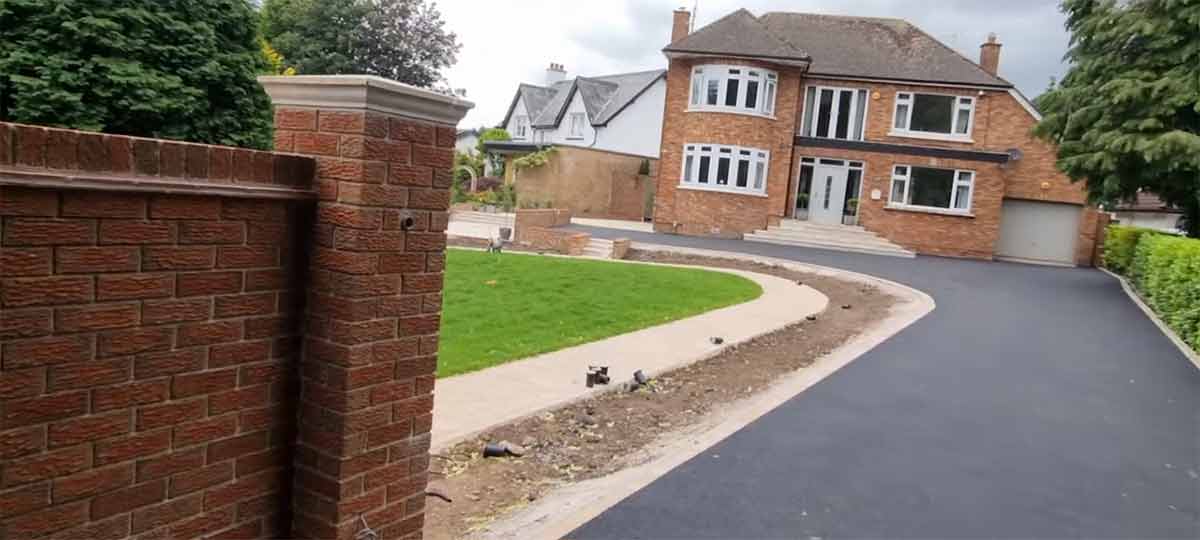
Enhancing Tarmac Driveways with Edging
Are you looking to enhance the appeal of your tarmac driveway? Wondering how to make it stand out from the rest? Look no further than
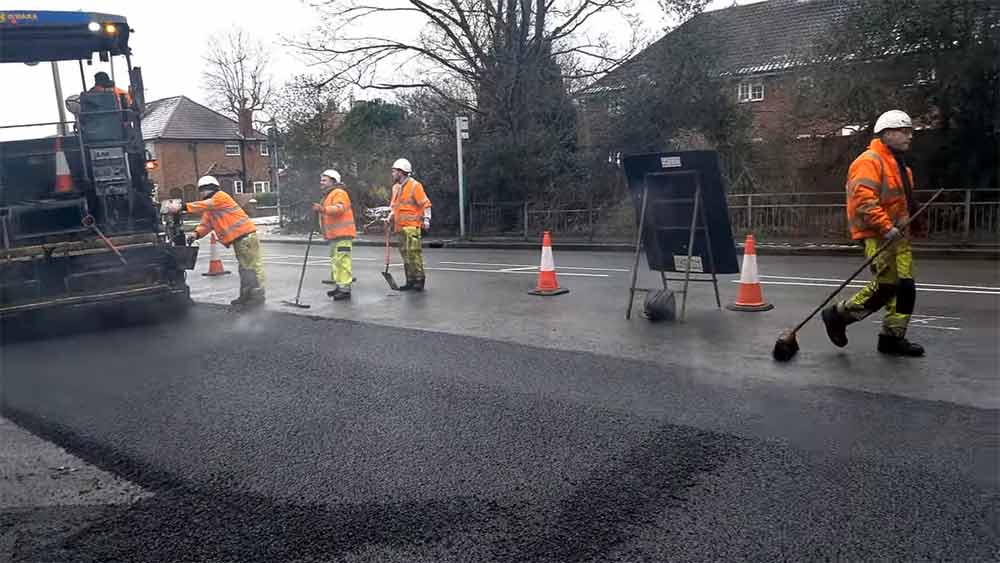
Resurfacing With Tarmac
Are you tired of a worn-out driveway that lacks a professional and quality finish? Look no further! Tarmac driveway resurfacing is here to provide you
Exploring the Lifespan of Tarmac Driveways
When it comes to driveway construction, homeowners across the United Kingdom are increasingly opting for tarmac surfacing. With its durability, low maintenance requirements, and visually
Drainage is an important factor to consider when installing a tarmac driveway. Without proper drainage, the surface can become damaged Read more

Do you ever wonder if your tarmac driveway will melt under the scorching heat of the sun? Well, let's dive Read more

Have you ever looked at your tarmac driveway and been dismayed by the stubborn moss that has taken root? Well, Read more