
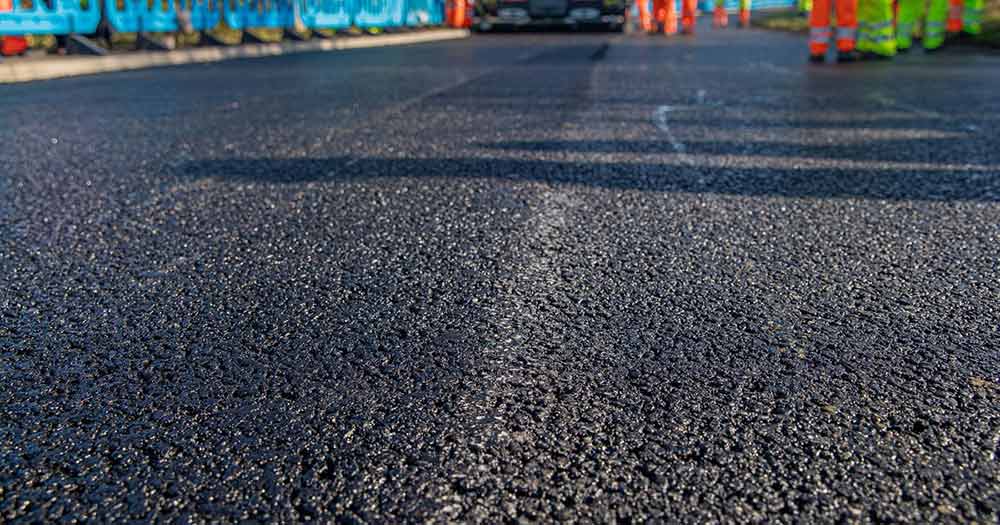
When it comes to driveway construction, homeowners across the United Kingdom are increasingly opting for tarmac surfacing. With its durability, low maintenance requirements, and visually appealing finish, tarmac driveways have become a popular choice. But have you ever wondered how long your tarmac driveway will last? Can it truly withstand the test of time?
Many people question the durability and longevity of tarmac driveways, questioning whether they truly provide a worthy investment. In this article, we will delve into the lifespan of tarmac driveways, addressing common concerns and revealing the secrets to maximising the longevity of your driveway.
Whether you’re considering driveway installation, looking for tarmac repair options, or simply exploring the cost and benefits of tarmac driveways, this article will provide you with the insights you need to make informed decisions. Are you ready to uncover the truth about tarmac driveways and discover how to extend their lifespan? Let’s get started!
Factors Affecting the Lifespan of Tarmac Driveways
The lifespan of a tarmac driveway depends on several key factors that can significantly influence its durability and longevity. By understanding these factors and taking them into account during the installation and maintenance process, homeowners can ensure the maximum lifespan of their tarmac driveways.
Quality of Installation
The quality of installation plays a crucial role in determining the lifespan of a tarmac driveway. Proper installation techniques, including thorough preparation of the base, appropriate compaction, and precise application of the tarmac surfacing, can prevent issues such as cracks and potholes that can lead to premature deterioration.
Climate and Weather Conditions
The climate and weather conditions in a particular location can impact the lifespan of a tarmac driveway. Extreme temperature fluctuations, heavy rainfall, freezing and thawing cycles, and exposure to harsh sunlight can all contribute to the deterioration of the tarmac surface over time. Regular maintenance and protective measures can help mitigate the effects of these weather-related factors.
Traffic and Usage
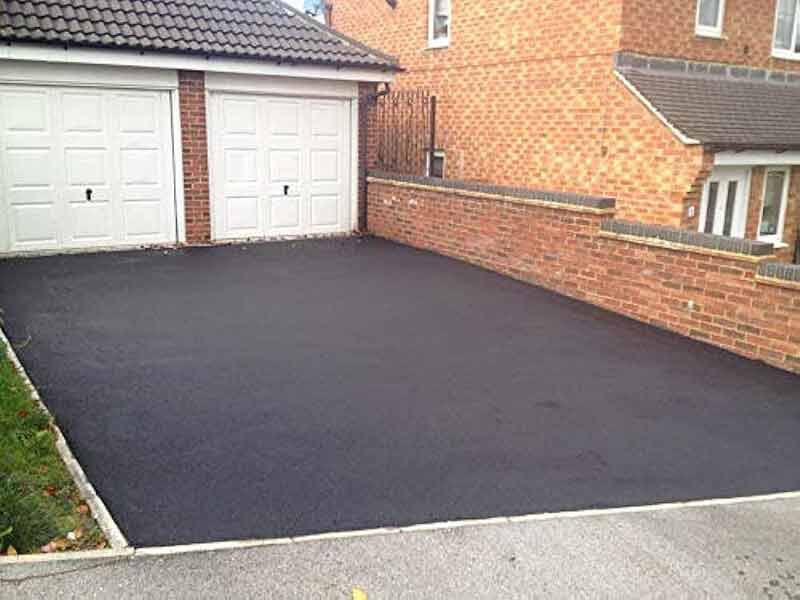
The level of traffic and usage a tarmac driveway experiences can significantly impact its lifespan. Heavy vehicles, frequent use, and turning movements can place additional stress on the surface, leading to wear and tear. Proper traffic management and regular maintenance can help reduce the impact of usage and extend the driveway’s lifespan.
Quality of Materials
The quality of materials used during the installation of a tarmac driveway also plays a vital role in its longevity. High-quality tarmac mixtures and additives can enhance the strength and resilience of the surface, making it more resistant to damage and deterioration. Working with professional driveway contractors who use premium materials ensures a longer-lasting driveway.
Average Lifespan of Tarmac Driveways
The average lifespan of a well-installed and well-maintained tarmac driveway ranges between 15 and 20 years. However, with proper care and maintenance, including routine inspections, crack repair, and periodic sealcoating, homeowners can extend the lifespan of their tarmac driveways even further.
| Factors | Average Lifespan |
|---|---|
| High-quality installation | + |
| Climate and weather conditions | – |
| Traffic and usage | – |
| Quality of materials | + |
| Proper maintenance | + |
Tips for Extending the Lifespan of Tarmac Driveways
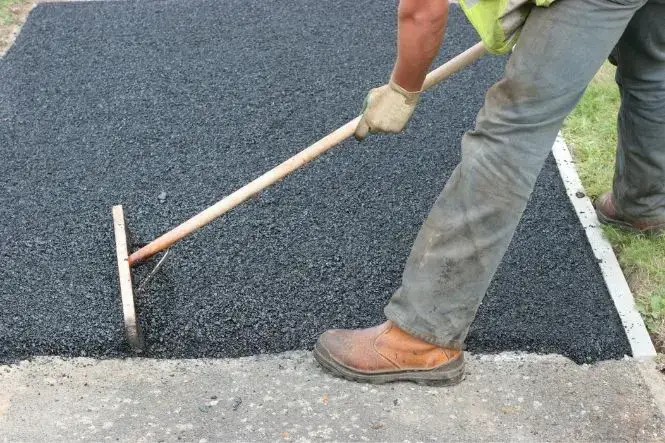
Regular maintenance is crucial for extending the lifespan of tarmac driveways. Homeowners should prioritise routine maintenance tasks such as sweeping, cleaning, and addressing cracks and potholes. By conducting regular inspections and promptly addressing any damage, homeowners can prevent issues from worsening and prolong the overall lifespan of the driveway.
Another important tip is to invest in sealcoating. Applying a protective layer of sealant to the tarmac surface can help prevent water damage and UV radiation, which can degrade the driveway over time. Sealcoating not only enhances the appearance of the driveway but also provides an additional layer of protection, helping it withstand the elements for longer.
In addition to sealcoating, filling cracks and resurfacing the driveway are essential maintenance practices. Filling cracks not only improves the aesthetics of the driveway but also strengthens its structure, preventing water from seeping in and causing further damage. Resurfacing the driveway can breathe new life into its appearance and reinforce its durability, ensuring it withstands heavy usage and traffic for years to come.
Proper drainage and traffic management are also key factors in extending the lifespan of tarmac driveways. Adequate drainage systems should be in place to redirect water away from the driveway and prevent pooling, which can lead to water damage and deterioration. Implementing traffic management strategies, such as designated parking areas and clear signage, can help reduce wear and tear caused by excessive traffic and minimise the risk of damage to the driveway.
Furthermore, avoiding chemical exposure is crucial for maintaining the integrity of tarmac driveways. Homeowners should be mindful of chemical spills and avoid using harsh substances that can weaken the tarmac. By promptly cleaning up any spills or stains, homeowners can prevent long-term damage and preserve the longevity of the driveway.
Lastly, regular professional inspections and maintenance are highly recommended. Hiring a professional driveway contractor, like Tarmac Driveway Worksop, can ensure comprehensive inspections and timely repairs. Professionals have the expertise to identify potential issues before they become major problems, saving homeowners from costly repairs down the line. While the cost of maintaining tarmac driveways may vary depending on the size and specific services required, the investment is significantly lower compared to extensive repairs or replacement.
Call us to get a price quote on a tarmac. Contact us today on 07595 510190 to receive a free quote or visit our website.
Source Links
- https://harlestondriveways.co.uk/
2023/10/25/tarmac-preservation
-techniques-extending-road-lifespan/ - https://newstyledriveways.com/
how-long-tarmac-driveway-last/ - https://www.tarworksconstruction.co.za/
how-long-does-a-tarmac-driveway-last/

Drainage is an important factor to consider when installing a tarmac driveway. Without proper drainage, the surface can become damaged Read more

Do you ever wonder if your tarmac driveway will melt under the scorching heat of the sun? Well, let's dive Read more

Have you ever looked at your tarmac driveway and been dismayed by the stubborn moss that has taken root? Well, Read more