
Do you ever wonder if your tarmac driveway will melt under the scorching heat of the sun? Well, let’s dive into the truth behind this theory and explore the factors that contribute to driveway melting.
In this article, we will examine the signs to look out for and provide preventive measures to keep your tarmac driveway intact.
You might be surprised to learn that extreme temperatures, especially during hot summer days, can cause tarmac driveways to soften and potentially deform.
This phenomenon occurs due to a combination of factors such as direct sunlight exposure, lack of proper drainage, and insufficient surface protection.
But fear not! We won’t leave you stranded with a melted mess. We’ll guide you through practical steps on how to maintain and repair your tarmac driveway effectively.
By implementing these preventive measures and staying proactive in maintaining your driveway, you can enjoy a smooth and durable surface all year round.
So buckle up and get ready to discover everything you need to know about tarmac driveways melting. Let’s ensure your freedom from any asphalt-related worries!

Factors Contributing to Driveway Melting
There are several factors that can cause your tarmac driveway to melt, leaving you frustrated and disappointed. Heat exposure and climate conditions play a significant role in the deterioration of tarmac driveways.
When exposed to intense heat, such as direct sunlight for extended periods, the binding agents within the tarmac can soften and weaken. This makes the surface susceptible to melting under pressure from vehicle tires or even normal foot traffic.
Additionally, extreme climate conditions like high temperatures combined with humidity can accelerate the melting process. The moisture from humidity infiltrates the asphalt’s structure, weakening it further and making it more prone to melting.
It is crucial to consider these factors when choosing a driveway material and take necessary precautions like shade provision or regular maintenance to prevent your tarmac driveway from succumbing to these detrimental effects of heat exposure and climate conditions.
Signs of Driveway Melting
To identify signs of driveway melting, it’s important to be vigilant and observe any visible indications such as changes in texture or surface irregularities. Extreme heat can cause discolouration of tarmac driveways, which is one of the key causes of driveway melting. As the temperature rises, the asphalt binder in the tarmac can soften and become more susceptible to deformation. This can lead to depressions or ruts forming on the surface of the driveway. Additionally, prolonged exposure to high temperatures can cause the tarmac to lose its original colour and become faded or discoloured. It’s crucial to keep an eye out for these signs as they indicate that your driveway may be at risk of further damage if not addressed promptly.
| Signs of Driveway Melting | Causes of Driveway Discolouration |
|---|---|
| Surface Irregularities | Extreme Heat |
| Depressions | Prolonged Exposure |
| Ruts | |
| Faded colour | |
| Discolouration |
Remember, regular maintenance and proper care are essential for preserving your tarmac driveway’s longevity and appearance.
Preventive Measures for Tarmac Driveways
To keep your tarmac driveway in pristine condition, it’s important to implement simple preventive measures. Avoid common mistakes that can damage the surface.
Firstly, keep heavy vehicles off the driveway during hot weather to prevent heat buildup and melting.
Avoid using salt or chemical de-icers on your tarmac driveway, as these substances can accelerate the melting process. Instead, use sand or kitty litter for traction during icy conditions.
Regularly sweep away debris and leaves to maintain a cooler surface temperature and prevent potential melting.
Consider applying a protective sealant every few years to enhance durability and resistance against extreme temperatures.
By following these preventive measures, you can ensure your tarmac driveway remains intact and free from any signs of melting.
Maintaining and Repairing Your Tarmac Driveway
Maintaining and repairing your tarmac driveway is like giving it a makeover that will make your neighbours drool with envy. To ensure your driveway remains in top condition, here are some essential maintaining tips:
- Regular Cleaning: Sweep the surface regularly to remove debris and prevent it from accumulating and causing damage.
- Seal Coating: Apply a sealant every few years to protect the tarmac from UV rays, water penetration, and oil stains.
- Fill Cracks Promptly: Use a suitable filler material to repair any cracks before they worsen and lead to more significant issues.
- Preventative Measures: Avoid parking heavy vehicles for extended periods, as they can cause damage to the surface.
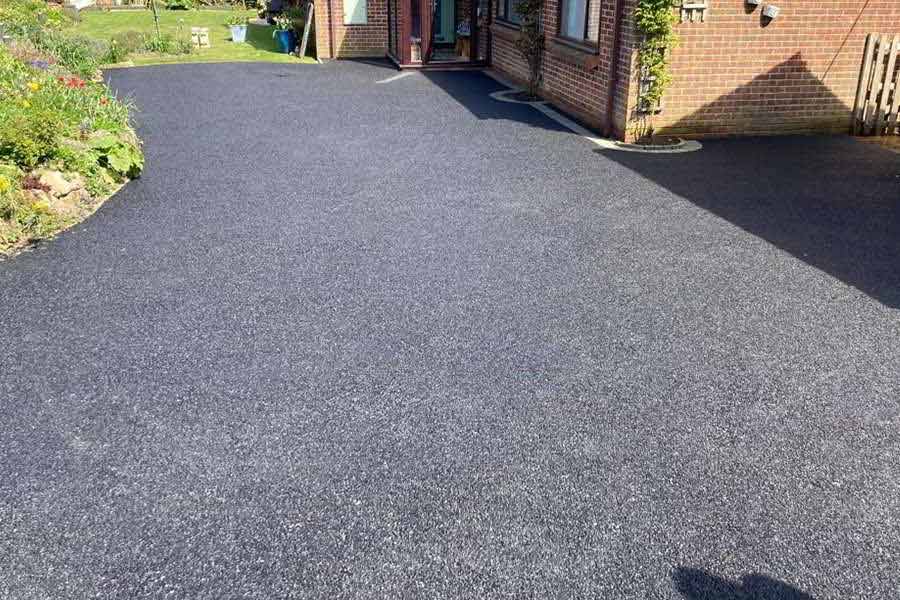
When it comes to cost-effective repairs, consider these options:
- Patching: Small areas of damage can be repaired by patching them with new tarmac or using cold lay asphalt.
- Resurfacing: If extensive damage occurs, resurfacing the entire driveway may be necessary.
By following these maintenance tips and opting for cost-effective repairs when needed, you can enjoy a beautiful and long-lasting tarmac driveway while keeping expenses under control.
Conclusion
Now that you’ve delved into the factors contributing to driveway melting, identified signs of melting, and discovered preventive measures for tarmac driveways, it’s clear that this issue requires attention.
By investigating the truth behind the theory, we can better understand the causes and find effective solutions.
Don’t let your driveway suffer from excessive heat. Take proactive steps to maintain and repair your tarmac driveway to ensure its longevity and functionality.
Stay informed and protect your investment!
Call us to get a price quote on a tarmac. Contact us today on 07595 510190 to receive a free quote or visit our website.
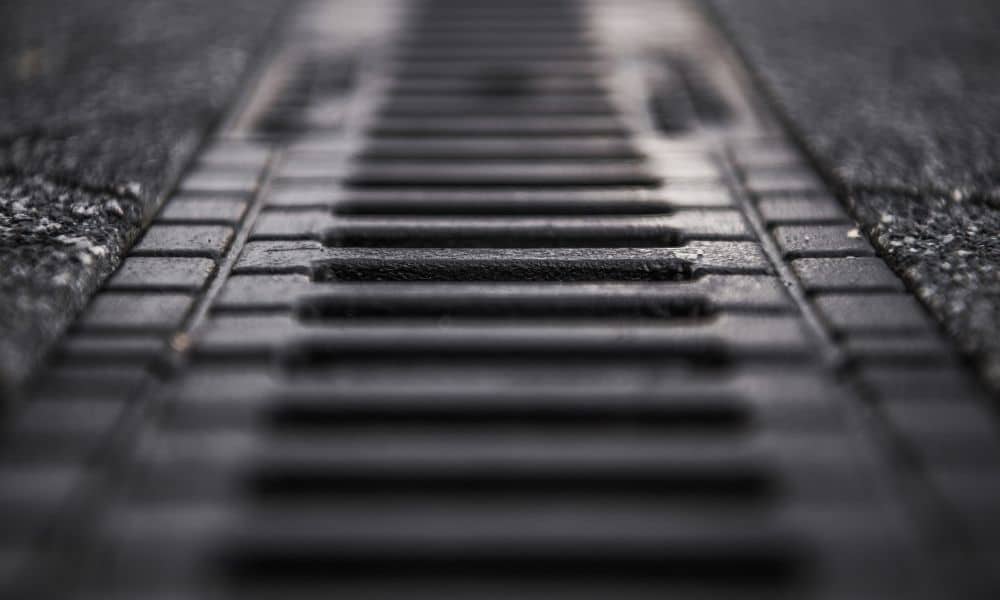
Drainage is an important factor to consider when installing a tarmac driveway. Without proper drainage, the surface can become damaged Read more

Have you ever looked at your tarmac driveway and been dismayed by the stubborn moss that has taken root? Well, Read more
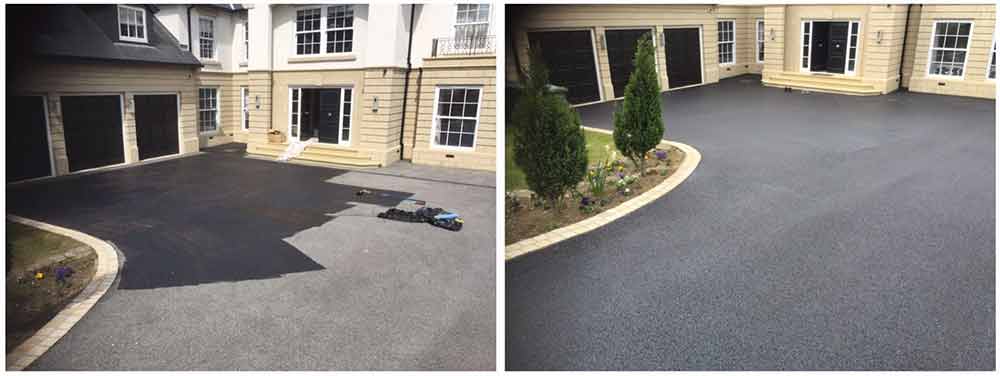
This is a question we are often asked due to our weather in the Nottinghamshire area. Learn why it is Read more