
This is a question we are often asked due to our weather in the Nottinghamshire area.
Learn why it is crucial to protect your pavement from water damage, explore the common challenges faced in this process, and uncover effective methods to ensure long-lasting results.
So read on and prepare to embark on a journey towards a stronger, more resilient tarmac surface.
The Importance of Waterproofing Tarmac
If you want to prevent water damage and prolong the lifespan of your tarmac, you should definitely consider waterproofing it. Waterproofing tarmac has several advantages and disadvantages that you need to be aware of.
One of the main pros is that it helps to protect the tarmac from moisture penetration, which can lead to cracks and deterioration over time.
By creating a waterproof barrier, you can reduce the risk of water damage and extend the life of your tarmac surface.
However, there are also cons to consider. Waterproofing can be expensive, as it requires specialised materials and professional installation.
Additionally, once the tarmac is waterproofed, it may become more slippery when wet, posing potential safety hazards for vehicles and pedestrians alike.
It’s important to carefully weigh these pros and cons before deciding whether or not to waterproof your tarmac surface.
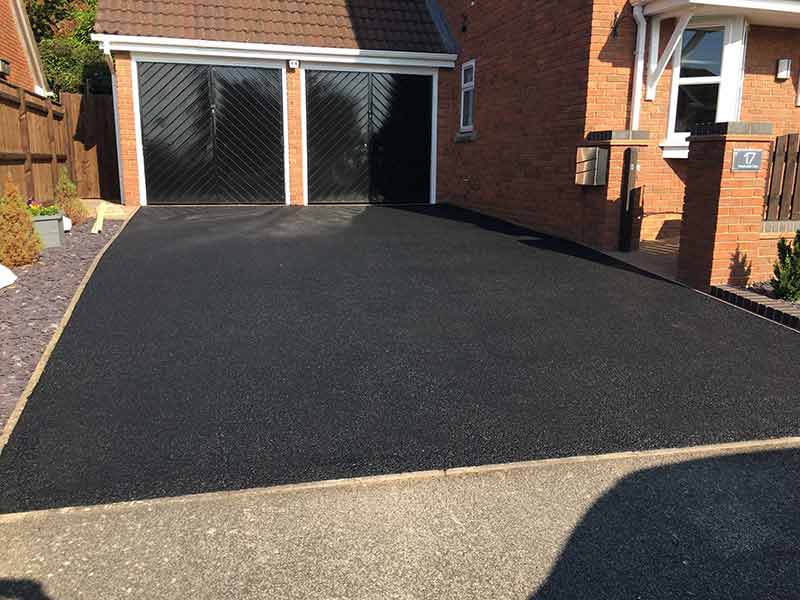
Common Challenges in Waterproofing Tarmac
One common challenge in making tarmac waterproof is that it can be difficult to prevent water from seeping through the surface. To address this issue, several tarmac waterproofing techniques have been developed. These techniques aim to create a barrier between the tarmac and water, ensuring its longevity and durability.
Common problems in tarmac waterproofing include:
- Insufficient adhesion: If the waterproofing material does not adhere properly to the tarmac surface, it may fail to provide an effective seal against water infiltration.
- Crack formation: Cracks in the tarmac can allow water to penetrate through, undermining the whole waterproofing system.
- Poor drainage: Inadequate drainage systems can lead to pooling of water on the tarmac surface, increasing the risk of seepage.
- Aging and wear: Over time, exposure to weather conditions and regular traffic can cause degradation of the waterproofing layer, compromising its effectiveness.
To overcome these challenges, thorough preparation of the tarmac surface, proper selection of high-quality materials, and regular maintenance are crucial for successful tarmac waterproofing. Do Tarmac Driveways Melt?
Effective Methods for Waterproofing Tarmac
To effectively waterproof tarmac, it’s important to select high-quality materials and regularly maintain the surface.
There are several techniques you can use to ensure maximum waterproofing for your tarmac.
One effective method is using a sealant that is specifically designed for tarmac surfaces. These sealants create a barrier that prevents water from seeping into the tarmac, protecting it from damage and deterioration caused by moisture.
Another technique is crack sealing, which involves filling any cracks or gaps in the tarmac with a flexible filler material. This helps prevent water from entering through these openings and causing further damage.
Additionally, regular maintenance such as cleaning debris and removing standing water can help prolong the lifespan of your waterproofed tarmac surface.
Considerations for Long-Lasting Tarmac Waterproofing
Regular maintenance is key for ensuring the long-lasting waterproofing of your tarmac surface.
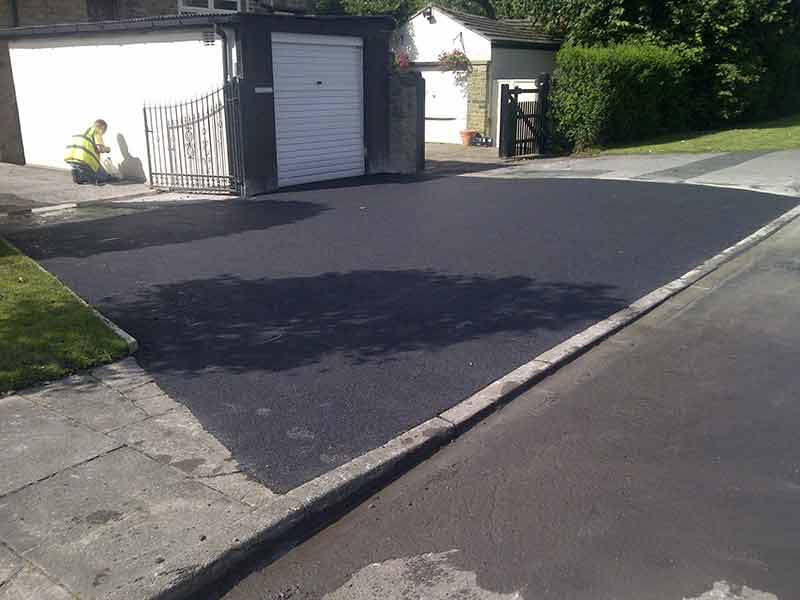
To maximise durability and minimise potential water damage, it is important to consider the following factors and maintenance requirements:
- Sealant Application: Applying a high-quality sealant helps protect the tarmac from moisture penetration, preventing cracks and deterioration.
- Cleaning: Regularly removing dirt, debris, and oil stains from the surface prevents buildup that can compromise its waterproofing properties.
- Crack Repair: Promptly repairing any cracks in the tarmac ensures that water does not seep through and cause further damage.
- Drainage Systems: Ensuring proper drainage by maintaining gutters, drains, or installing French drains helps redirect excess water away from the tarmac surface.
Conclusion
So there you have it, my friend. You’ve reached the end of this riveting journey into the world of waterproofing tarmac.
Hopefully, you are now well-versed in the importance and challenges associated with this task.
Armed with effective methods and considerations for long-lasting results, you are now ready to take on any tarmac waterproofing challenge that comes your way.
Call us to get a price quote on a tarmac. Contact us today on 07595 510190 to receive a free quote or visit our website.
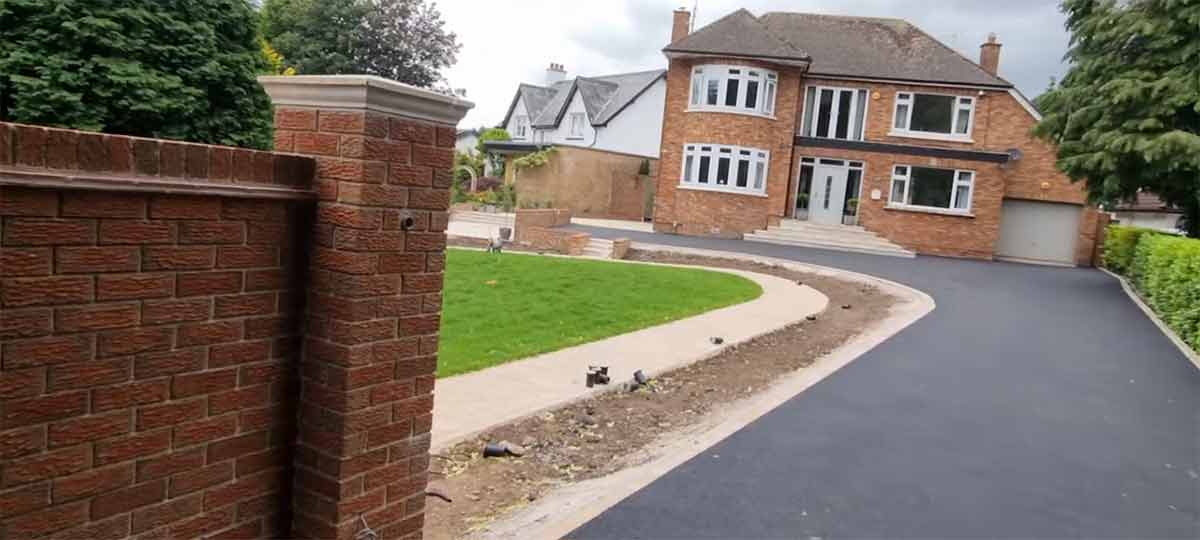
Enhancing Tarmac Driveways with Edging
Are you looking to enhance the appeal of your tarmac driveway? Wondering how to make it stand out from the rest? Look no further than
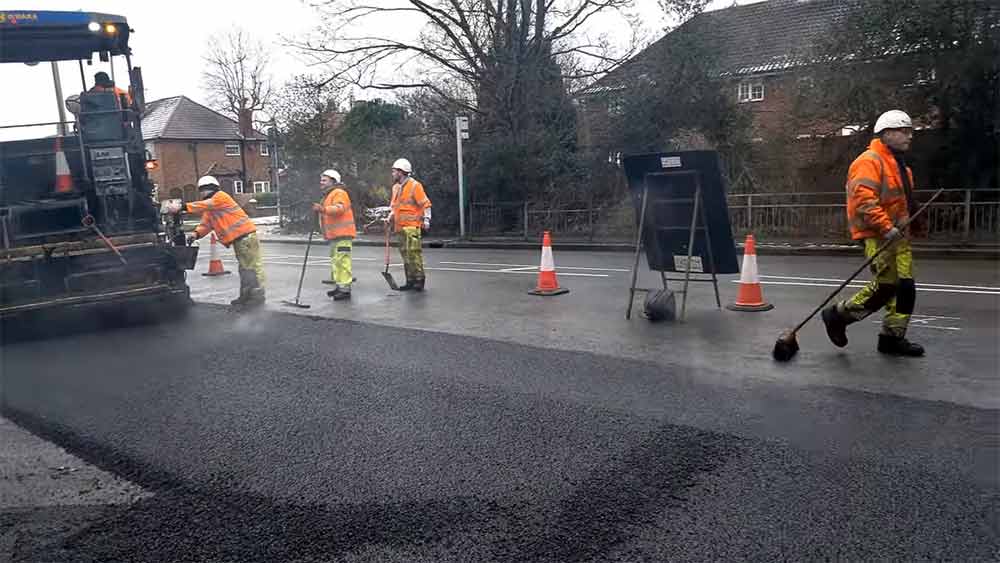
Resurfacing With Tarmac
Are you tired of a worn-out driveway that lacks a professional and quality finish? Look no further! Tarmac driveway resurfacing is here to provide you
Exploring the Lifespan of Tarmac Driveways
When it comes to driveway construction, homeowners across the United Kingdom are increasingly opting for tarmac surfacing. With its durability, low maintenance requirements, and visually

Drainage is an important factor to consider when installing a tarmac driveway. Without proper drainage, the surface can become damaged Read more

Do you ever wonder if your tarmac driveway will melt under the scorching heat of the sun? Well, let's dive Read more

Have you ever looked at your tarmac driveway and been dismayed by the stubborn moss that has taken root? Well, Read more