
Drainage is an important factor to consider when installing a tarmac driveway. Without proper drainage, the surface can become damaged and weakened by water that accumulates on it, leading to costly repairs or even complete replacement of the entire area.
This article will discuss why proper drainage for a tarmac driveway is essential, discussing both its short-term benefits and long-term impacts. The installation of an effective drainage system is not only beneficial in preventing potential damages caused by pooling water but also provides numerous other advantages.
By understanding these merits, homeowners can ensure their investment in a tarmac driveway remains secure over time while providing optimal performance.
Factors Affecting Proper Driveway Drainage
The success of a tarmac driveway is largely attributed to the proper drainage system. It is essential for maintaining an aesthetically pleasing and functional surface.
Every aspect of drainage should be considered, from slope angle to soil quality and drainage systems. Slope angle plays a major role in effective runoff during rainstorms. An ideal gradient allows water to flow freely away from your home without pooling or seeping into the foundation.
Drainage trenches can also help guide water away from any low-lying areas on your property while directing it toward its natural course offsite. The right combination of grade and trench depth will ensure that excess moisture does not collect near your home’s foundation.
Soil quality must also be taken into account because different soils have varying capacities for absorbing water. If too much saturation occurs, then standing puddles may form along the edges of your pavement, leading to cracking and other structural damage over time.
In order to maintain optimal performance, these factors need to be managed appropriately with consideration given to the specific characteristics of each site’s environment. With careful design and implementation, one can create an efficient tarmac driveway capable of providing years of reliable service with minimal maintenance required.
Benefits Of Proper Drainage
Proper drainage of a tarmac driveway is one of the most important aspects to consider when building or renovating. Without it, flooding and soil erosion can quickly become an issue. Moisture control is also essential for preventing decay and wear.
The benefits of proper drainage are absolutely remarkable – not only does it keep your surface area dry and free from moisture-related damage, but it also prevents potential hazards that may arise from heavy rains or storms.
In addition to keeping your property safe, proper drainage helps maintain a healthy landscape by keeping excess water away from plants while sustaining their roots with nutrition-rich soil.
This means you can enjoy lush greenery without worrying about floods damaging your hardscaping investments.
Moreover, properly draining your tarmac driveway contributes to sustainability efforts as well since runoff won’t end up in nearby streams and rivers, polluting them with pollutants like fertilizers and pesticides. As such, effective management of rainwater runoff is essential for protecting our environment as well as preserving beautiful outdoor spaces everywhere.
Tips For Proper Drainage
1. Checking for existing drainage systems is an important first step in assessing the need for proper drainage in a tarmac driveway.
2. Subsurface structures such as channels, pipes, and swales should be identified to ensure they are in good condition and capable of providing adequate drainage.
3. Installing proper drainage materials such as gravel, rock, and permeable pavement can help to ensure water is effectively diverted away from the driveway.
4. Additionally, drainage systems can be improved by using rain gardens, dry wells, and other techniques to capture and direct runoff from the driveway.
Checking For Existing Drainage Systems
Maintaining a tarmac driveway necessitates the need for proper drainage to ensure its longevity and to prevent damage from standing water. Checking for existing drainage systems is an important step in this process as it allows homeowners to determine if permits are required, grading techniques should be applied, or alternative drainage solutions must be implemented.
As part of this inspection process, one must identify any swales, ditches or other artificial routes that can serve as potential pathways for runoff water. These elements may require permits before they can be modified or altered in any way, so careful consideration must be given when assessing their presence.
Additionally, strategic grading techniques such as diverting flow away from driveways with slopes and berms can also prove beneficial in managing moisture accumulation over time.
Lastly, if all else fails then implementing proven drainage solutions like French drains and culverts will provide necessary relief while safeguarding against future problems associated with poor water management on your tarmac driveway.
Installing Proper Drainage Materials
Once the evaluation of existing drainage systems is complete, it may be necessary to install proper drainage materials.
The depth and slope angle of installed drains should be determined based on an assessment of soil type, climate conditions, and anticipated levels of runoff water.
Additionally, permeable materials such as gravel or crushed stone are recommended in order to provide adequate filtration while allowing for efficient flow into underground routes.
When properly installed with all the appropriate considerations taken into account, these drainage solutions can effectively manage moisture accumulation and prevent future damage from standing water on tarmac driveways.
With a well-planned approach, homeowners will have peace of mind knowing their driveway is properly prepared for longterm use.
Finding A Local Contractor
Proper drainage is essential for a tarmac driveway. To ensure the longevity of your driveway and prevent costly repairs, it is important to find an experienced contractor who can install a system with quality materials and excellent craftsmanship.
Before selecting a local contractor, there are certain factors that should be taken into account when discussing costs. Checking reviews from previous customers is one way to determine whether or not they will provide satisfactory services.
Additionally, it is crucial to select materials such as gravel and permeable membranes that allow water to properly drain away from the surface. Furthermore, researching available contractors in the area and assessing their credentials may help you make an informed decision regarding which company best suits your needs.
Asking for references from previous clients is also important when considering potential contractors. By taking these steps, you can ensure that your driveway is installed correctly and will last for many years to come.
Frequently Asked Questions
How Much Does Proper Drainage For A Tarmac Driveway Cost?
What is the true cost of proper drainage for a tarmac driveway?
This question can be answered through a thorough cost benefit analysis and assessment of soil types.
Properly installed drainage systems may come with an initial high installation cost, but it could save money in the long run if the soil type allows water to easily permeate through it.
Installation methods also vary depending on factors such as access to existing sewers or underground pipes, which can help reduce costs significantly.
Therefore, when considering proper drainage solutions for your tarmac driveway, it is important to evaluate all available options before making a decision that suits both your budget and needs.
How Long Does It Take To Install Proper Drainage For A Tarmac Driveway?
Installing proper drainage for a tarmac driveway can be done in steps, depending on the location and desired outcome. The number of steps required, as well as their complexity, will depend on soil erosion levels and the various drainage options available to homeowners.
Generally speaking, installation times vary from a few hours up to several days or even weeks; this is due to factors such as weather conditions and existing underground infrastructure that must be considered before beginning any excavation work.
What Are The Best Materials To Use For Proper Drainage On A Tarmac Driveway?
Water retention and surface runoff are two of the biggest problems that tarmac driveways face, but proper drainage is essential for ensuring longevity.
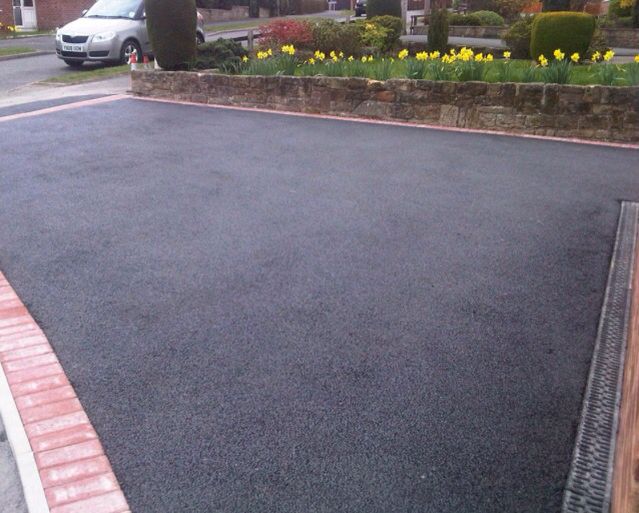
One way to do this is by installing adequate drainage channels on the sides or underneath your driveway; these can be made from a variety of materials such as gravel, permeable pavers, or even crushed stone.
This will allow water to flow away from the surface while also improving soil stability and preventing erosion.
To ensure maximum effectiveness, it’s important to use quality materials specifically built for both strength and durability.

What Are The Risks Of Not Having Proper Drainage On A Tarmac Driveway?
Not having proper drainage on a tarmac driveway can have several adverse effects.
Waterlogging is one of the main risks, where water will accumulate in low-lying pockets and saturate the surface, leading to costly repairs or replacements.
Without proper runoff prevention, standing water can also damage surrounding vegetation by preventing oxygen from reaching its roots.
Finally, not having adequate drainage may lead to reduced longevity of your tarmac driveway as it is more prone to wear and tear over time due to increased moisture levels which affect structural integrity.
Conclusion
Proper drainage is an essential component of a tarmac driveway. Without it, the risk for costly damage and unsightly flooding can be astronomical.
Not only does proper drainage reduce the likelihood of water pooling up on driveways, but it also helps to protect the structural integrity of pavement from extreme weather conditions.
Therefore, investing in a good quality drainage system for your tarmac driveway is imperative if you want to maintain its long-term beauty and functionality.
In fact, neglecting this important step could spell disaster for your entire property!
Call us to get a price quote on a tarmac. Contact us today on 07595 510190 to receive a free quote or visit our website.

Do you ever wonder if your tarmac driveway will melt under the scorching heat of the sun? Well, let's dive Read more

Have you ever looked at your tarmac driveway and been dismayed by the stubborn moss that has taken root? Well, Read more
This is a question we are often asked due to our weather in the Nottinghamshire area. Learn why it is Read more