

Are you considering installing a tarmac driveway for your home? There has been increasing concern about the potential health risks associated with tarmac and its impact on our well-being. As a popular choice for driveway surfacing, tarmac paving offers durability and an attractive finish. However, it’s crucial to understand the potential risks for both contractors and homeowners.
Tarmac, also known as asphalt, is commonly used in driveway installation, resurfacing, and repairs. Its blacktop appearance gives driveways a sleek and modern look. But what about the health implications?
Studies have shown that tarmac contains known carcinogens, raising concerns about its potential carcinogenic effects. The National Institute for Occupational Safety and Health (NIOSH) has evaluated the data on occupational exposures to asphalt and identified known carcinogens in the fumes generated at work sites.
But worry not! While there is ongoing research in this area, it’s important to note that precautions can be taken to minimise risks. Collaborations between industry stakeholders and health experts are crucial for developing effective strategies for mitigating these risks.
In the next sections, we will delve deeper into the potential health risks for asphalt workers, the connection between coal tar and cancer risk, and understanding the risks associated with tarmac exposure. We will also discuss the precautions that can be taken to ensure the health and safety of individuals involved in tarmac and asphalt-related activities.
Stay informed and make informed decisions regarding your driveway solutions. Remember, it’s important to prioritise your health and safety when it comes to tarmac driveways and the maintenance they require.

Health Risks for Asphalt Workers
Asphalt workers, particularly those in the roofing and paving industries, face significant health risks due to their exposure to asphalt and its components. The use of asphalt in these industries exposes workers to a complex mixture of chemicals known as polycyclic aromatic hydrocarbons (PAHs). Many of these PAHs are known or suspected carcinogens, putting asphalt workers at a heightened risk of developing various types of cancer, including lung, stomach, bladder, and nonmelanoma skin cancer.
Studies have shown that both inhalation and dermal exposure to asphalt fumes and PAHs can lead to DNA damage, a key marker for increased cancer risk. Inhalation exposure occurs through the inhalation of asphalt fumes and aerosols, while dermal exposure happens when workers come into direct contact with asphalt surfaces or materials.
Here are some key points about the health risks associated with asphalt exposure:
- Inhalation Exposure: Different tasks within the asphalt industry result in varying levels of exposure. Paver operators, who work directly with asphalt during the paving process, experience the highest levels of inhalation exposure.
- Dermal Exposure: Labourers, who handle asphalt and perform tasks such as shoveling and raking, often have the highest levels of dermal contact with the substance.
- Recycled Asphalt: Exposure to recycled asphalt has been found to be associated with higher PAH exposure. The elevated temperatures required for its application may contribute to increased PAH levels.
- DNA Damage: Inhalation and dermal exposure to asphalt fumes and PAHs can lead to DNA damage, which is a crucial factor in assessing cancer risk.
Urine tests have shown that dermal exposure contributes significantly more to the absorption of PAHs into the body compared to inhalation. This highlights the importance of implementing proper safety measures to protect asphalt workers from both inhalation and dermal exposure to reduce their cancer risk.
| Type of Exposure | Key Points |
|---|---|
| Inhalation Exposure | Workers inhale asphalt fumes and aerosols |
| Dermal Exposure | Direct contact with asphalt surfaces or materials |
| Recycled Asphalt | Higher PAH exposure due to elevated temperatures |
| DNA Damage | Inhalation and dermal exposure can lead to DNA damage |
Coal Tar and Cancer Risk
Coal tar is a byproduct of coal production and is used in various applications, including coatings, paint, roofing, paving, and asphalt products. Coal-tar pitch, a thick black liquid derived from coal tar, is a common binder in asphalt products. Both coal tar and coal-tar pitch contain numerous chemical compounds, including carcinogens such as benzene. Occupational exposure to coal tar and coal-tar pitch has been linked to an increased risk of skin cancer, as well as other cancer types such as lung cancer, bladder cancer, kidney cancer, and digestive tract cancer.
The primary routes of human exposure to coal tar and coal-tar products are inhalation, ingestion, and absorption through the skin. Foundry workers, coke production workers, and those involved in aluminum production, pavement tar production, and coal-tar coatings are at risk of exposure. Additionally, the general population can be exposed through environmental contaminants and the use of coal tar preparations in treating various skin conditions.
Being exposed to coal tar and coal-tar products presents serious health risks due to the presence of carcinogens. These substances have the potential to cause changes in DNA, leading to the development of cancer.
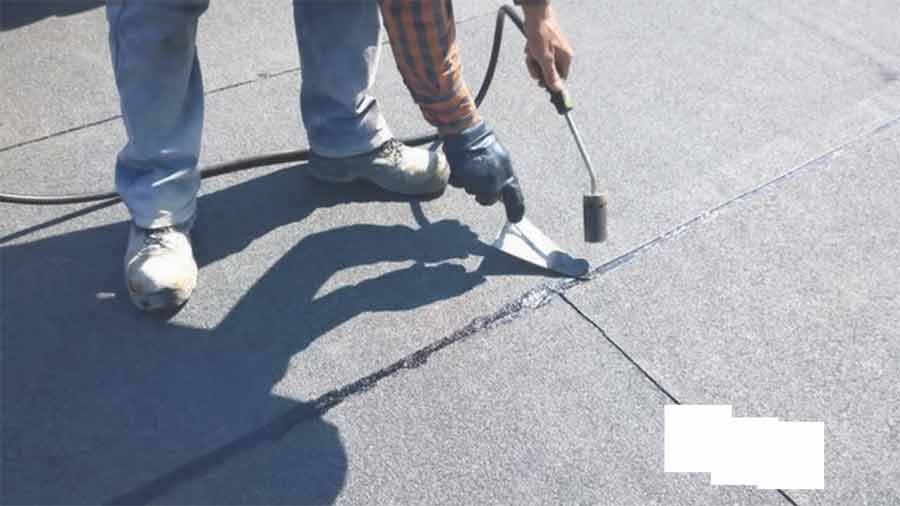
It is important for individuals working in industries where coal tar is used or produced to take appropriate precautions to minimise exposure and protect their health.
To gain a better understanding of the risks associated with coal tar exposure, it is crucial to continue research efforts and collaborate with industry stakeholders and health experts.
By working together, we can develop effective strategies to mitigate these risks and ensure the safety of individuals involved in tarmac and asphalt-related activities.
Understanding the Risks and Taking Precautions
While there is evidence suggesting potential health risks associated with tarmac and asphalt exposure, it is important to note that there is ongoing research in this area. The complexity of asphalt’s chemical composition and the variety of factors influencing exposure make it challenging to determine the exact risks.
However, it is evident that occupational exposure to asphalt, specifically in the form of fumes and dermal contact, can increase the risk of cancer and other health issues. Therefore, it is crucial for workers in the asphalt industry to take precautions to minimise their exposure.
Wearing protective clothing, such as gloves, goggles, and respiratory masks, can help reduce the potential risks of dermal and inhalation exposure. Additionally, practicing good hygiene, such as washing hands and showering after work, can further mitigate the risks associated with asphalt exposure.
Continued research and collaborations between industry stakeholders and health experts are essential for developing effective strategies to mitigate these risks. By working together, we can ensure the safety and well-being of workers involved in tarmac and asphalt-related activities.
Call us to get a price quote on a tarmac. Contact us today on 07595 510190 to receive a free quote or visit our website.
Source Links
- https://news.harvard.edu/gazette/
story/2003/08/its-not-the-suns
-or-smokes-fault-its-the-asphalt/ - https://www.cdc.gov/niosh/
docs/2001-110/default.html - https://www.cancer.gov/about-cancer/
causes-prevention/risk/substances/coal-tar

Drainage is an important factor to consider when installing a tarmac driveway. Without proper drainage, the surface can become damaged Read more

Do you ever wonder if your tarmac driveway will melt under the scorching heat of the sun? Well, let's dive Read more

Have you ever looked at your tarmac driveway and been dismayed by the stubborn moss that has taken root? Well, Read more