
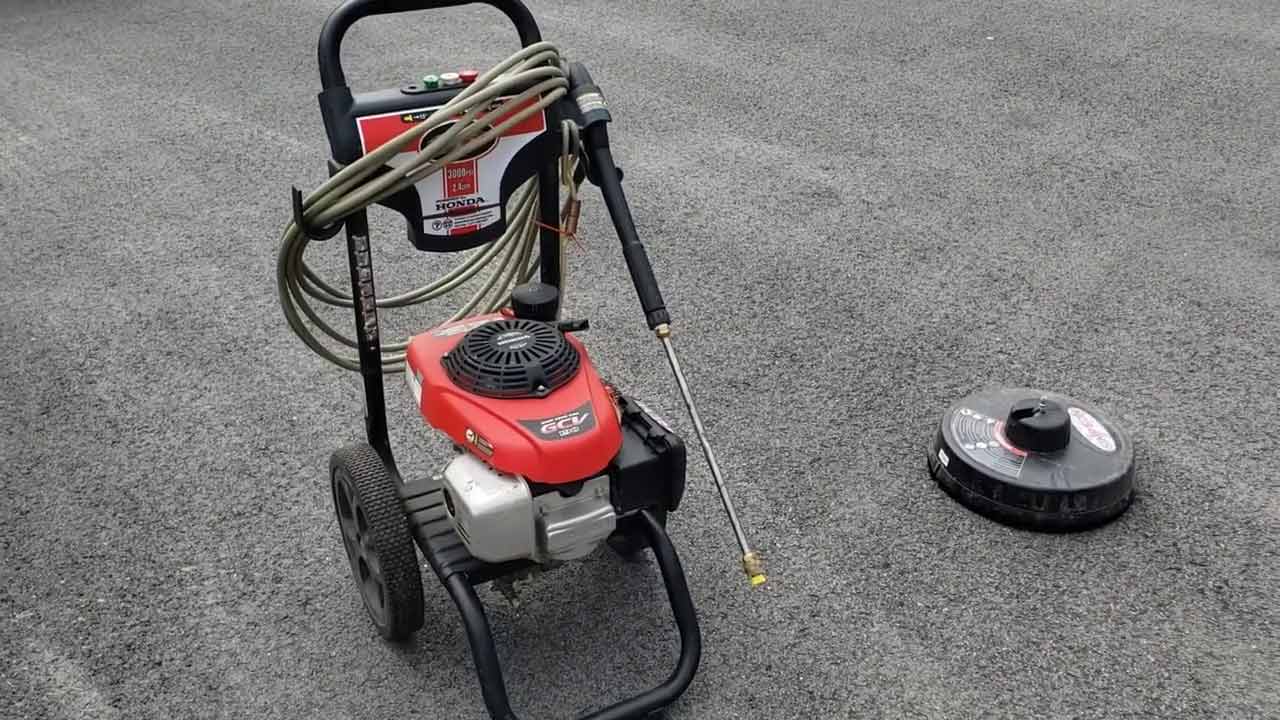
Jet washing is a common method used to clean tarmac driveways, but it is important to understand the potential risks and how to minimize them. When done incorrectly, jet washing can potentially damage the tarmac surface, causing dislodgement of bits and stripping away the top layer, exposing the weaker base course. To ensure proper maintenance and avoid potential damage, it is crucial to take certain precautions.
Key Takeaways:
- Using a degreaser solution specifically designed for tarmac driveways is essential before jet washing to loosen oil or diesel stains.
- Hold the jet wash wand at least 15cm above the surface and maintain a consistent distance while cleaning to minimize damage.
- If the driveway remains dirty after the initial cleaning, it is recommended to call a professional tarmac cleaning service.
- Moss growth on tarmac driveways can be prevented by removing it manually with a stiff brush, using a powered moss brush, or pressure washing with treatment using a moss killer.
- Regular cleaning with a hose and brushing with a house brush is recommended for general tarmac maintenance.
By following these guidelines, you can ensure the longevity of your tarmac driveway while keeping it clean and well-maintained. And remember, if the tarmac has become degraded or has significant moss build-up, using a weed killer and power washing followed by seal coating will help restore and protect the surface.
Understanding the Risks of Jet Washing
When using a jet washer on a tarmac driveway, there is a risk of dislodging bits of tarmac and stripping away the top layer, potentially damaging the driveway’s structure. The high pressure water from the jet washer can be powerful enough to dislodge the tarmac, causing it to become loose or even disintegrate. This can create small pits or holes in the driveway, compromising its integrity. Furthermore, the force of the water can strip away the top layer of the tarmac, revealing the weaker base course underneath.
To minimize the risk of damage, it is important to take certain precautions before jet washing a tarmac driveway. Before starting, it is recommended to use a degreaser solution to loosen any oil or diesel stains that may be present on the surface. This helps to ensure a thorough cleaning and prevent any further damage. It is crucial to choose a degreaser specifically designed for tarmac surfaces, as using the wrong product can potentially harm the driveway.
When using a jet wash wand, it is essential to hold it at least 15cm above the surface of the tarmac. This distance helps to minimize the risk of dislodging bits of tarmac or stripping away the top layer.
It is also important to maintain a consistent distance while working your way around the driveway, ensuring that the pressure remains even and the tarmac is not subjected to excessive force in one area.
If you find that your tarmac driveway is not clean after the initial jet washing, it is advisable to seek the assistance of a professional tarmac cleaning service. They have the expertise and specialized equipment to ensure a thorough and safe cleaning process without causing any damage to the driveway.
| Risks of Jet Washing on Tarmac | Precautions to Minimize Damage |
| Dislodging bits of tarmac | Hold the jet wash wand at least 15cm above the surface |
| Stripping away the top layer | Maintain a consistent distance while working around the driveway |
| Use a degreaser solution specifically designed for tarmac | |
| Seek professional tarmac cleaning service if necessary |
Proper Preparation for Jet Washing
Before jet washing your tarmac driveway, it is crucial to prepare the surface by using a degreaser solution to remove any oil or diesel stains, making sure to choose a degreaser that is suitable for tarmac surfaces. Oil and diesel stains can deeply penetrate the tarmac, making them difficult to remove without the appropriate cleaning agent. By using a specific degreaser, you can effectively loosen and dissolve the oil or diesel, preparing the surface for a thorough jet wash.
When selecting a degreaser, it is important to opt for one that is designed specifically for tarmac surfaces. These degreasers are formulated to effectively break down and remove oil and diesel stains without causing any harm to the tarmac. Using a degreaser that is not suitable for tarmac can potentially damage the surface and compromise its integrity.
“Using a specific degreaser formulated for tarmac surfaces ensures effective removal of oil and diesel stains without causing damage to the tarmac.”
Once you have applied the degreaser solution to the stained areas, allow it to sit for the recommended amount of time as specified by the product instructions. This will give the degreaser sufficient time to penetrate and break down the oil or diesel. After the specified time has elapsed, use a stiff brush or a pressure washer with a rotating nozzle to scrub away the loosened stains. Take caution to avoid applying too much pressure, as this can cause damage to the tarmac.
| Tips for Proper Preparation: |
| Choose a degreaser specifically designed for tarmac surfaces. |
| Apply the degreaser solution to the oil or diesel stains. |
| Allow the degreaser to sit for the recommended time. |
| Scrub away the loosened stains using a stiff brush or pressure washer. |
By following these proper preparation steps, you can ensure that your tarmac driveway is ready for jet washing. Taking the time to remove oil and diesel stains beforehand will not only result in a cleaner finish but also help protect the integrity of the tarmac surface.
Best Practices for Jet Washing Tarmac
To minimize the risk of damage while jet washing your tarmac driveway, it is important to hold the jet wash wand at least 15cm above the surface and maintain a consistent distance as you work your way around the driveway. This will help prevent the high pressure water from dislodging bits of tarmac and stripping away the top layer, which can expose the weaker base course beneath. By keeping the wand at a safe distance, you can minimize the potential for damage and ensure a thorough yet gentle clean.
If, despite your best efforts, you find that your tarmac driveway is still not clean to your satisfaction, it may be time to consider calling a professional tarmac cleaning service. These experts have the knowledge, experience, and specialized equipment to deep clean your driveway effectively, without causing any further damage. They can use professional-grade jet washers and cleaning agents to tackle even the most stubborn stains and grime, giving your tarmac driveway a fresh and revitalized appearance.
Proper Distance and Professional Assistance
Remember, when using a jet washer, distance is key to minimize the risk of damage to your tarmac driveway. It is essential to maintain a consistent distance from the surface, ensuring that the high-pressure water does not dislodge or strip away the tarmac. Additionally, consider seeking professional assistance if you are uncertain about using a jet washer or if your driveway requires more intensive cleaning. A professional tarmac cleaning service can provide expert guidance and ensure that your driveway is cleaned safely and effectively.
| Best Practices for Jet Washing Tarmac | Summary |
| Hold the jet wash wand at least 15cm above the surface | Minimizes the risk of dislodging and stripping away tarmac |
| Maintain a consistent distance while working your way around the driveway | Ensures an even and thorough clean |
| Consider contacting a professional tarmac cleaning service | Expert assistance for a satisfactory and damage-free clean |
Moss Growth on Tarmac
The small pits between the stones in tarmac driveways can create a favorable environment for moss growth, as moisture can accumulate. To combat moss, it can be manually removed using a stiff brush, a powered moss brush, or by pressure washing the driveway after treating it with a moss killer.
If you prefer to remove moss manually, a stiff brush can be used to scrub away the moss from the surface of the tarmac. This method requires some effort, but it can effectively remove the moss. Alternatively, you can invest in a powered moss brush, which makes the task easier and more efficient.
For a more thorough moss removal, pressure washing can be employed. First, treat the moss-covered areas with a moss killer, allowing it to penetrate and weaken the moss. Then, use a pressure washer to blast away the moss, revealing a clean tarmac surface underneath. This method ensures all traces of moss are removed and helps prevent regrowth.
| Moss Removal Methods | Advantages |
| Manual Removal with Stiff Brush | – Effective, low-cost method- Provides physical scrubbing action |
| Powered Moss Brush | – Makes removal easier and faster- Saves time and effort |
| Pressure Washing with Moss Killer | – Thorough removal of moss- Prevents regrowth |
Remember, it’s crucial to take preventive measures to stop moss from regrowing. Regular cleaning with a hose and brushing with a house brush can help maintain a moss-free tarmac driveway. By keeping the surface clean and preventing moisture accumulation, you can minimize the chances of moss growth and preserve the integrity of your tarmac.
Regular Cleaning and Maintenance
To keep your tarmac driveway in good condition, regular cleaning is key. Use a hose and a house brush to remove dirt and debris as part of your general tarmac cleaning routine. This simple and cost-effective method can help prevent the build-up of grime and ensure your driveway remains looking its best.
When using a hose, be sure to adjust the water pressure to a level that is strong enough to remove dirt but gentle enough not to damage the surface of the tarmac. Start at one end of the driveway and work your way towards the other end, paying attention to any particularly dirty areas or stains.
A house brush with stiff bristles is an effective tool for scrubbing away stubborn dirt or moss. Use a sweeping motion to loosen any debris, then rinse away with the hose. For especially tough stains or moss growth, consider using a specific tarmac cleaner or moss killer to ensure a thorough clean.
Regular cleaning and maintenance not only keeps your tarmac driveway looking clean and presentable, but it also helps to prevent the growth of moss and the degradation of the surface over time. By incorporating these cleaning practices into your routine, you can extend the lifespan of your tarmac driveway and enhance its overall appearance.
Dealing with Degraded Tarmac and Moss Build-up
If your tarmac driveway has become degraded or has a significant moss build-up, it may be necessary to use a weed killer and power wash the surface. Afterward, consider seal coating to ensure the tarmac remains sealed and does not unravel.
Degraded tarmac poses a risk not only to the appearance of your driveway but also to its durability. When the surface starts to deteriorate, it can result in cracks and potholes, making it vulnerable to further damage. To tackle this issue, a weed killer can be applied to the affected areas. Using a suitable weed killer, follow the instructions carefully to ensure safe and effective application. Once the weeds have been eliminated, it’s time to power wash the surface to remove any dirt, grime, and moss that may have accumulated over time.
A power washer with an appropriate pressure setting should be used to avoid causing additional damage. Start from the highest point and work your way downwards, ensuring that the spray is evenly distributed. Take caution not to get too close to the surface, as excessive pressure could strip away the top layer of the tarmac. After power washing, allow the driveway to dry completely before proceeding to the next step.
To protect the tarmac from further degradation and enhance its longevity, seal coating is highly recommended. This process involves applying a sealant over the surface, which acts as a protective barrier against UV rays, water damage, and general wear and tear. Seal coating not only helps to maintain the appearance of the driveway but also prevents the formation of cracks and potholes. It’s advisable to consult a professional service provider to ensure the seal coating is applied correctly and effectively, as improper application can lead to an uneven finish or reduced durability.
| Key Takeaways: |
| Weed killer: Use a weed killer specifically formulated for tarmac driveways to eliminate weeds. |
| Power washing: Safely power wash the tarmac surface using an appropriate pressure setting, starting from the highest point and working downwards. |
| Seal coating: Apply a sealant to protect the tarmac from degradation and enhance its longevity. |
Professional Tip:
“When dealing with degraded tarmac and moss build-up, it’s crucial to use the right equipment and techniques. If you’re unsure about any step, it’s best to seek professional help to ensure the best results and prevent further damage.”
The Cost of Tarmac Driveway Maintenance
While maintaining a tarmac driveway may incur some costs, investing in regular maintenance can significantly extend its longevity and prevent potential damage, ultimately saving you money in the long term. Understanding the cost of tarmac driveway maintenance is essential for budgeting and ensuring your driveway remains in top condition.
When it comes to basic maintenance, such as regular washing and brushing, the cost is minimal. All you need is a hose and a house brush to remove dirt, debris, and organic matter that can accumulate on the surface. This simple maintenance routine helps prevent moss growth, minimizes the risk of staining, and keeps your tarmac looking clean and presentable throughout the year.
For more intensive maintenance or when dealing with issues like moss build-up or degraded tarmac, additional steps may be required. Using a weed killer to tackle stubborn weeds and power washing to thoroughly clean the surface may incur some costs. However, the benefits of a clean and moss-free driveway, as well as the prevention of further deterioration, far outweigh the initial expense.
| Maintenance Task | Cost |
| Regular Washing and Brushing | Minimal |
| Weed Killer Application | Varies (depending on product and area) |
| Power Washing | Varies (depending on equipment rental or professional service) |
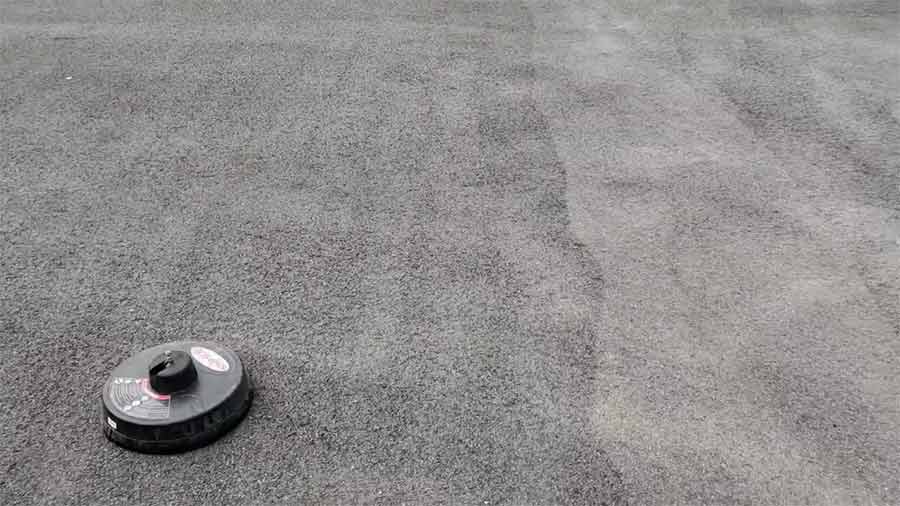
“Investing in regular maintenance can significantly extend its longevity and prevent potential damage, ultimately saving you money in the long term.”
In cases where the tarmac is severely degraded or requires extensive repair, the cost may be higher. This can involve patching up or resurfacing damaged areas, which may require professional assistance. It’s important to address such issues promptly to avoid further deterioration and potentially more expensive repairs in the future.
Overall, when considering the cost of tarmac driveway maintenance, it’s crucial to remember that prevention is key.
Regular cleaning and upkeep can help avoid larger repair expenses down the line. By investing in routine maintenance, you can enjoy the benefits of a well-maintained tarmac driveway that not only enhances the curb appeal of your property but also stands the test of time.
Conclusion
Proper maintenance is crucial for preserving the condition of your tarmac driveway, considering the potential risks of jet washing and the need to address moss growth and degradation. When using a jet washer, it is important to exercise caution to avoid damaging the tarmac. The high pressure water can dislodge bits of tarmac and strip away the top layer, revealing the weaker base course beneath. To prevent this, it is recommended to hold the jet wash wand at least 15cm above the surface and maintain a consistent distance while working your way around the driveway. It is also essential to use a degreaser solution specifically designed for tarmac to loosen any oil or diesel stains before jet washing.
If your tarmac driveway remains dirty even after jet washing, it is advisable to seek the assistance of a professional tarmac cleaning service. They have the expertise and specialized equipment to ensure a thorough and effective cleaning process. Moreover, professional cleaning can help minimize the risk of damage to your tarmac while achieving optimal results.
Moss growth is another common issue faced by tarmac driveways. The small pits between the stones can harbor moisture, creating an environment conducive to moss growth. To combat this, manual brushing with a stiff brush, the use of a powered moss brush, or pressure washing with the application of a moss killer are effective methods for removing moss. Regular washing with a hose and brushing with a house brush is recommended for general tarmac cleaning, helping to prevent the accumulation of moss and other debris.
In cases where the tarmac has become degraded or has significant moss build-up, additional measures may be required. Using a weed killer and power washing can help restore the condition of the driveway. Afterwards, applying a seal coating will ensure that the tarmac stays protected and does not unravel, providing longevity and enhancing its overall appearance.
Call us to get a price quote on a tarmac. Contact us today on 07595 510190 to receive a free quote or visit our website.
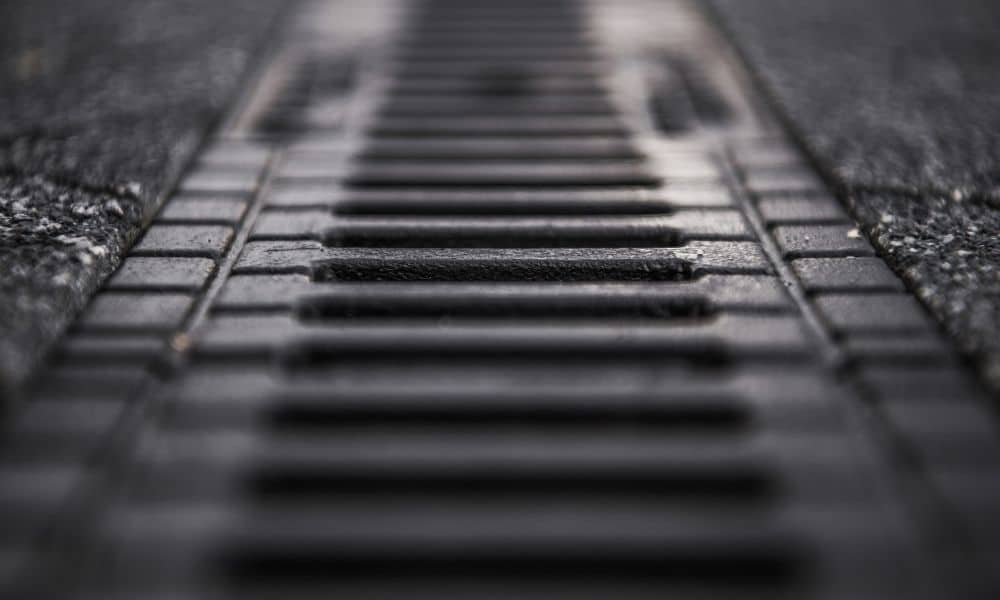
Drainage is an important factor to consider when installing a tarmac driveway. Without proper drainage, the surface can become damaged Read more

Do you ever wonder if your tarmac driveway will melt under the scorching heat of the sun? Well, let's dive Read more

Have you ever looked at your tarmac driveway and been dismayed by the stubborn moss that has taken root? Well, Read more